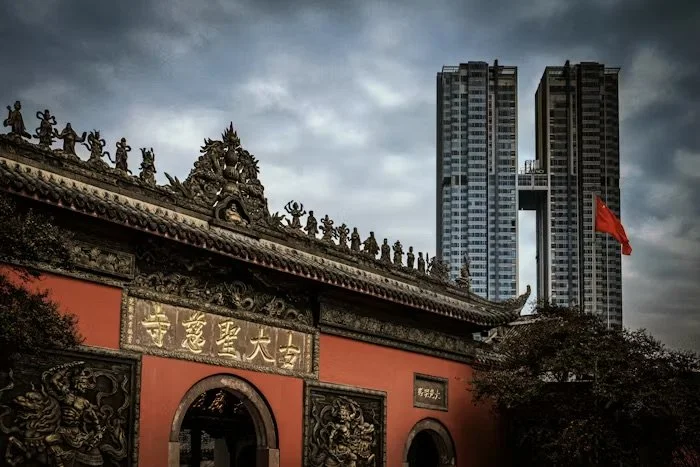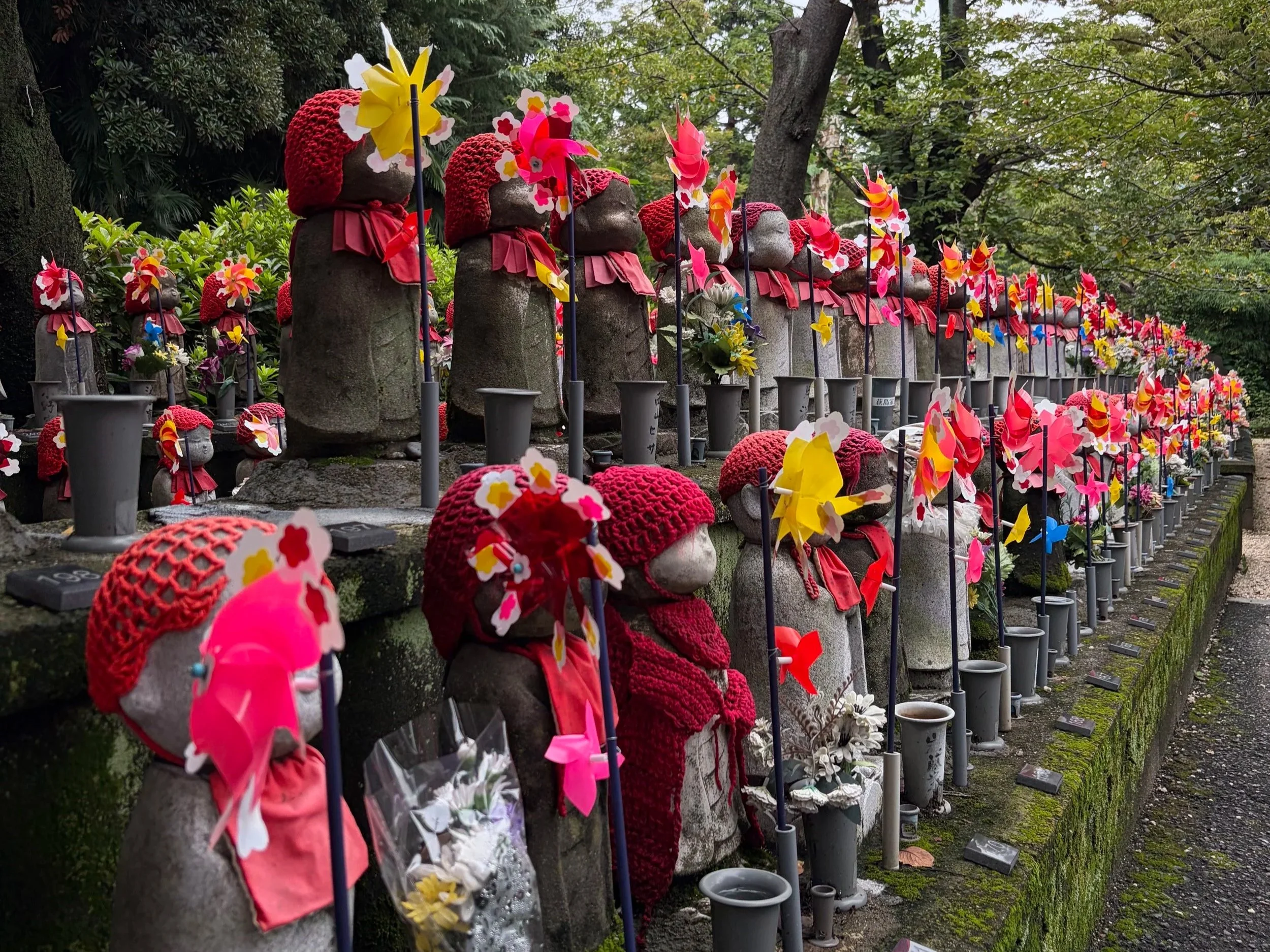
If you are one of the nearly 43 million foreign visitors who traveled to Japan in 2025 or the millions who have already visited in 2026, you might be tempted to think the country is intensely religious.
It is hard not to. Religion appears to be…well, everywhere.
Go for a walk through the megacity of Tokyo and you encounter Buddhist temples and Shinto shrines around almost every corner. Travel outside the metroplex and you’ll come across tiny roadside jizō statues and enormous temple complexes in the countryside.
From Sapporo to Kagoshima, you see people washing their hands before approaching a shrine, drawing fortunes, making offerings, bowing, clapping, praying or simply pausing for a moment in front of a shrine or statue while out on a morning walk with their dog before moving on.
So thick is the spiritual infrastructure of Japan that in Kyoto, visitors say they can suffer from “temple fatigue,” which describes the mental and physical exhaustion they feel after visiting too many temples in a short time and the wooden architecture, gardens and Buddha statues begin to blend together. These travelers are, in a sense, complaining about an excess of religion.
And yet, if you ask many Japanese people whether they are religious, you are likely to get a very different answer.
So, which is it? Is Japan highly religious or notably secular?