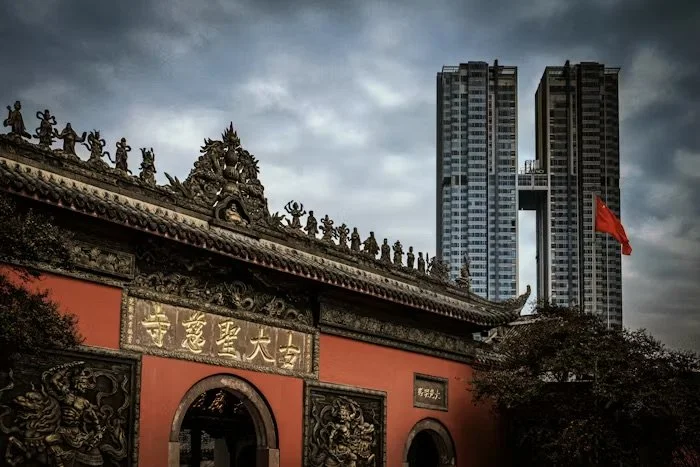
In an increasingly multi-polar world, East Asia’s influence on global trade, technology, pop culture, inter-regional cooperation and potential, wide-ranging conflicts is increasingly evident.
The region’s importance in understanding the landscape of global religion is sometimes less widely appreciated.
But spend time in the countries of East Asia — China, Hong Kong, Japan, Mongolia, North and South Korea, and Taiwan — and you will find families burning incense before an ancestor’s grave or visiting a Buddhist temple on a holiday. You will witness a Shinto shrine receiving thousands of visitors at New Year or a Korean Christian congregation filling a high-rise sanctuary on Sunday.
Reporting on East Asia can quickly run aground, however, when journalists import categories developed elsewhere and assume that religion works the same way in Beijing, Seoul, Taipei or Tokyo as it does in London, Lagos or Los Angeles (and, of course, it operates differently in these places too).
In much of East Asia, people may participate in Buddhist, Daoist, Confucian, Shinto or local ritual traditions without claiming an exclusive religious identity. Someone may say they have “no religion” while venerating ancestors, visiting temples, making offerings or consulting a religious specialist.
This guide, part of a new series from ReligionLink focusing on different regions in global religion reporting, provides background, resources, relevant stories and sources to help you better understand East Asia’s religious institutions, communities and political contexts.