• Home
  • About
    • Overview
    • Borícua Muslims
    • Engaged Spirituality
    • The Muslims of Latin America and the Caribbean
  • Contact
Menu

KEN CHITWOOD

Religion | Reporting | Public Theology
  • Home
  • About
  • Books
    • Overview
    • Borícua Muslims
    • Engaged Spirituality
    • The Muslims of Latin America and the Caribbean
  • Contact
“The person who knows only one religion, knows none”
— Max Müller

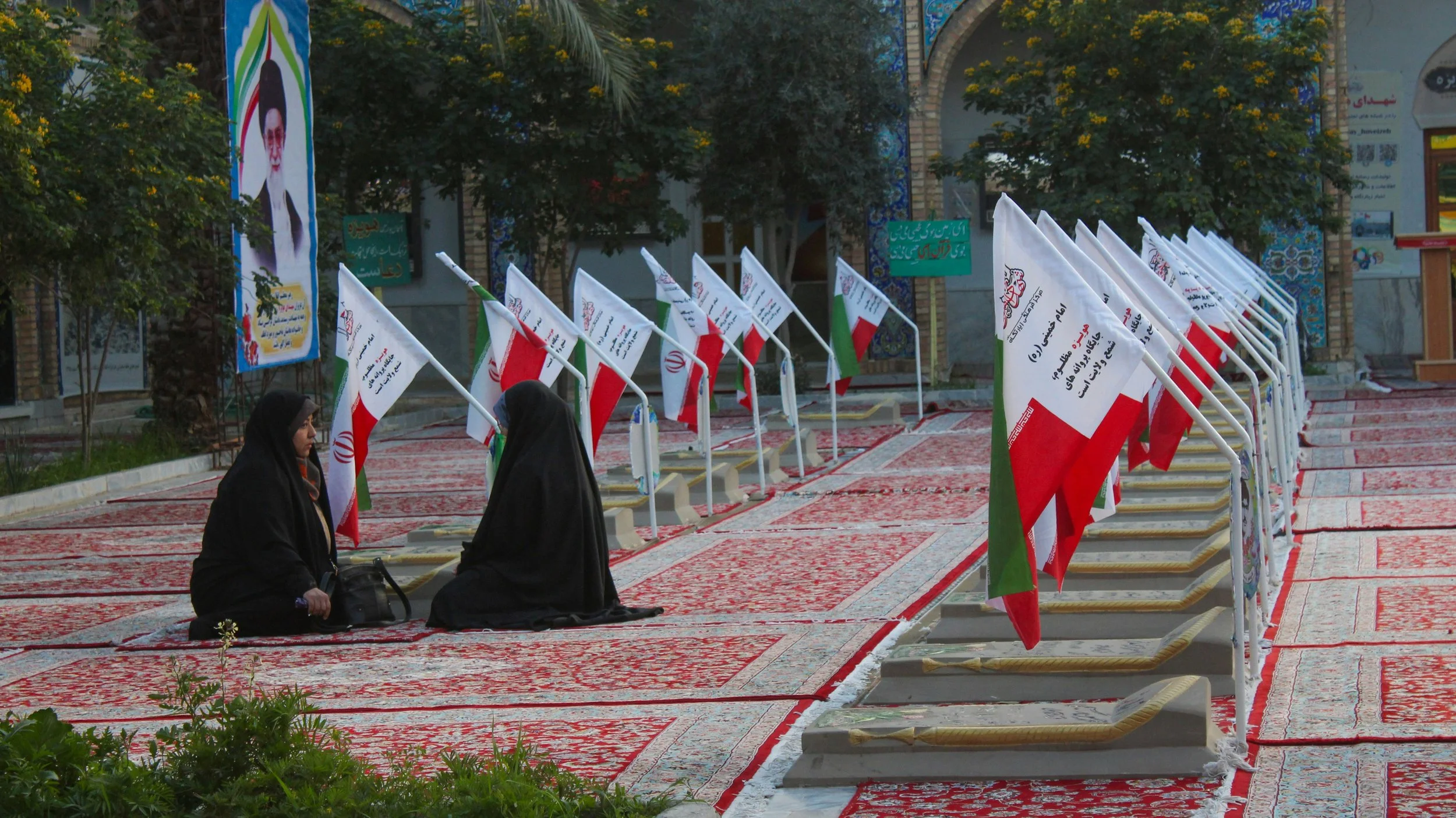
Photo by Moslem Daneshzadeh.

War in Iran: The conflict’s religious contours

May 6, 2026

Reporting on the war in Iran requires not only bringing a keen eye to its geopolitical realities and ramifications but also a nuanced understanding of how religion shapes, and is shaped by, the conflict.

This reporting requires paying attention to both internal dynamics (e.g., how the state uses religion to justify policy and suppress diversity) and external narratives, including how religious rhetoric is mobilized abroad to offer support for, and protest, the war. 

In this guide, we offer background, resources, relevant stories and expert sources to help you better cover the religion angle on the current conflict and what it might mean in the wake of the latest war in the Middle East. 

Background

Iran’s religious contours are shaped by centuries of history but more recently the 1979 Islamic Revolution, when clerical leadership fused religion with state authority. The Islamic Republic of Iran it founded is a theocratic state that constitutionally embeds its interpretation of Twelver Shiʿa Islam into the country’s legal and political systems, shaping governance, laws and public life. This gives the clerical establishment broad influence over the state and country as a whole — including the laws and how they are implemented across the judiciary, educational sector and to govern public morality.

This framework influences everything from public morality codes to social services, and it is integral to understanding how the state responds to dissent and dissenters. At the same time, this official religious order exists alongside a rich tapestry of religious communities — including Sunnis, Christians, Jews, Zoroastrians and others — whose rights and freedoms are unevenly protected and often actively suppressed. Most notably, Baha’is, who are not legally recognized, face harsh persecution, including arrests and property seizures, while Christians — especially converts — are frequently prosecuted under charges that frame peaceful worship as “propaganda against the state.”

According to the latest monitoring by the U.S. Commission on International Religious Freedom (USCIRF), approximately 90–95 % of the country’s nearly 90 million people are identified as Shiʿa Muslims, with Sunni Muslims making up most of the remainder; recognized non‑Muslim minorities such as Christians, Jews and Zoroastrians make up a small fraction of the population and have limited, conditional protections under law. Non‑recognized communities — most prominently Baha’is — are denied legal safeguards and are subject to systematic discrimination and violence.

Over the past year, and prior to the 2026 U.S.-Israeli war against Iran and the killing of Supreme Leader Ali Khamenei, reports of crackdowns on religious minorities have increased. State security forces have carried out raids on homes, arrested Baha’is on broad charges as threats to national security, and aggressively prosecuted Christian converts for basic acts of worship. Authorities often frame these actions in national security language, but independent monitoring sees this as part of a broader effort to reinforce ideological conformity and suppress alternatives to the state’s religious monopoly.

This religious framework also conditions Iranian society’s response to the war. Inside Iran, state media and officials frequently invoke themes of sacrifice, resistance and divine duty drawn from their interpretation of Shiʿa tradition to buttress public support and frame the conflict within a larger moral narrative. Martyrdom — a central concept in Shiʿa thought given the killing of Imam Husayn ibn Ali at Karbala in 680 — resonates deeply when leaders or soldiers fall, bridging state objectives with religious sentiment.

The status of religious minorities, along with other minoritized populations, has deteriorated even further since the start of the 2026 war. The Iranian government has been treating its minority populations as potential internal threats, with arrests and escalating state-sponsored violence. For instance, the government has used the conflict to justify a surge in arrests among members of the Baha’i, Jewish and Christian communities.

Specifically, it has intensified property confiscations and arbitrary detentions against Baha’is; increased the number of arrests of Christian converts for “promoting Zionist Christianity;” demolished Sunni mosque foundations and arrested clerics who challenge official narratives and pressured Jewish Iranians to publicly denounce Israel, with some facing heightened risk of being charged with espionage. Furthermore, reports suggest the conditions of religious prisoners of conscience have deteriorated given abandoned prison management, severe deprivation and a surge in executions.

Externally, the war has also become entangled with religious narratives in the U.S. and Israel. In both, elements of religious framing have emerged that cast the conflict in civilizational or prophetic terms, complicating perceptions and policy debates, as well as an end to the war.

Some U.S. military personnel have reported that commanders used biblical end‑times rhetoric — drawn from parts of Christian evangelical tradition — to frame the conflict as divinely sanctioned, prompting concerns about the mixing of religious ideology with military policy. Likewise, commentators note that political leaders in both Washington and Jerusalem sometimes employ civilizational language — framing the confrontation as a clash between religious identities — to mobilize support, simplify complex geopolitical causes and appeal to domestic constituencies such as Christian Zionists, who believe “the strengthening of the state of Israel will ultimately lead to the erection of the Temple in Jerusalem and hasten the arrival of the day of judgement.”

All this shapes how the war’s religious dimensions are reported: the theocratic nature of the Iranian state, the vulnerability of minority faith communities and dissenting members of the majority as well as the global politics of faith and war are intertwined in ways that extend far beyond the battlefield.
Learn more at ReligionLink
In #MissedInReligion, Religion, Religion and Culture, Religion News, ReligionLink, Religious Literacy Tags Iran, War in Iran, Religion in Iran, Iran religion, Bahais in Iran, Iranian religion, U.S. war in Iran, Israel war in Iran, Islamic Revolution, Christian Zionists, Iranian Christians
Comment

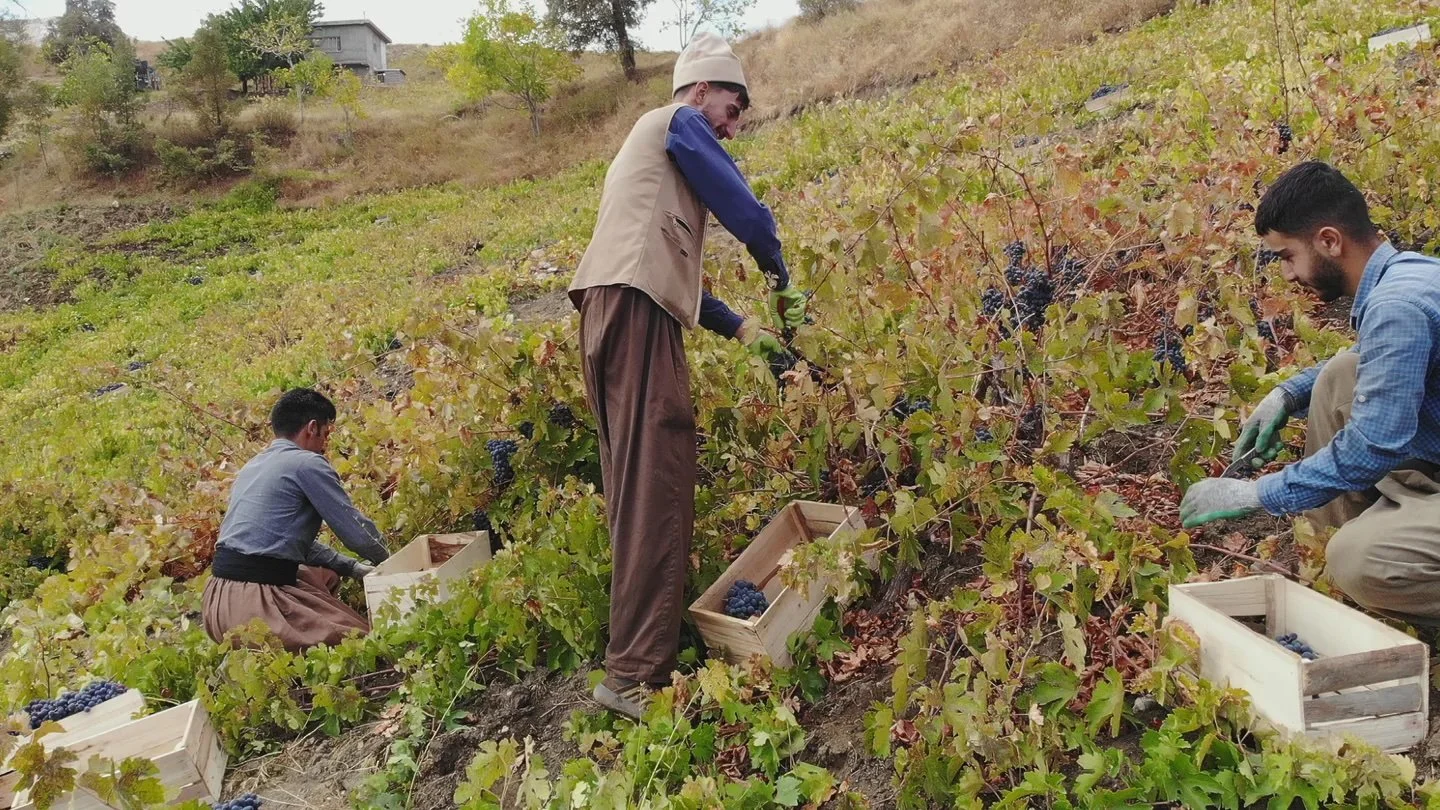
Persian Wine, Made with Swedish Spirit

March 4, 2026

When the Islamic Revolution swept Iran in 1979, Shahram Soltani’s family was told to stop making wine.

For decades, winemakers like the Soltanis enjoyed the support of the Pahlavi monarchy and its head of government Mohammad Reza Pahlavi, who wanted to see Iran become one of the world’s biggest wine producers. With that backing, in the years leading up to the revolution, there were around 300 wineries growing, harvesting, and processing grapes on massive vineyards in the Zagros Mountains and the semi-arid farmlands around the city of Shiraz. These areas were not new to the business of making wine; they constituted a part of viticulture’s fertile crescent—stretching across Iran, Iraq, Turkey and the countries of the southern Caucasus, Armenia, and Georgia—where wine culture existed for at least 7,000 years.

Then, in February 1979, things took a turn. “One day to another, Iran’s commercial wine culture just stopped,” said Soltani. “Everyone was finishing their harvest—all the tribes and families—preparing their new vintage and [then] bang, a seven millennia-long history of Persian winemaking entered a new, uncertain chapter.”

Even with new laws introduced by the Islamic Republic, families kept making wine behind closed doors. And, non-Muslim minorities such as Armenian and Assyrian Christians, Jews, and Zoroastrians were exempted from the ban, permitted to produce their own alcohol for ceremonial purposes. But it was nothing that Iran’s winemakers could share with the world.

When Soltani left Iran and relocated to Sweden in 2016, he wondered if a new chapter might be written in the history of Persian wine. “I saw urban wineries in Sweden. Or in London. Or in Germany, who would buy grapes from wine regions elsewhere and make wine in the city,” said Soltani. “That’s when I had the thought, why can’t we do the same? It’s legal to export grapes from Iran, so what is stopping us from making Persian wine elsewhere?”

In 2021, Soltani opened Drood—the first new Persian winery in nearly five decades—nestled amidst the old-growth forests, quaint red cottages, and historic glass factories and paper mills of Sweden’s rural Småland province. Over the last five years, the winery not only re-introduced Persian wine to a new audience but helped shed light on its border-crossing history and Iranians’ ongoing fight to preserve their cultural heritage along the way.

Read more at the Revealer
In Faith Goes Pop, Religion, Religion and Culture, Religious Studies, Travel Tags Persian wine, Soltani, Drood winery, Småland, Sweden, Iran, Iranian wine, The Revealer, Religion and alcohol, Islam and wine
Comment

PHOTO: Ken Chitwood

Oppression or Liberation? Sweating Over Modest Clothing

November 2, 2022

Sitting with Soraya under the shade of a palm tree along Balneario del Escambrón’s sun-soaked sand in San Juan, Puerto Rico, I could barely stand the heat.

It was 88° F (31° C) with high humidity. Sweat was pouring down my face as I listened to her talk about her experience as a Puerto Rican convert to Islam.

Amidst the discussion, she noticed my perspiration and laughed. “Hermano, you think you’re hot?! Imagine being dressed in a black abaya [loose over garment] and hijab!”

Bringing the topic up, I asked her why she chose to wear hijab — or Islamic headscarf. Soraya replied, “before I became Muslim, men were always judging my body by its curves, by how tight my clothes were and how round I was in certain places. Wearing abaya donning the hijab, takes those evaluations out of the conversation and forces people to take me for who I actually am, what I say, what I do — not what I wear.”

Even so, Soraya still gets stopped on San Juan’s streets and asked about her clothing, her religion, or whether she feels “oppressed.”

For many, the “controversial fabric” is a symbol of subjugation and segregation. Especially right now, as protests continue to rage in Iran after the death of 22-year-old Mahsa Ahmini who was killed while resisting the country’s compulsory laws forcing women to wear hijab, the headscarf has once again become a trademark of tyranny and functional emblem of fundamentalist religion.

And yet, for millions of religious women, headscarves, veils, and others forms of conservative clothing remain a prized tradition, a fashion statement, or — as with Soraya — a means of liberation.

In my latest piece with Patheos, I explore the material contexts and colonial pasts that are imperative to keep in mind when discussing hijabs, veils, and other forms of modest, religious dress.

Read more at Patheos
In #MissedInReligion, Faith Goes Pop, Religion and Culture, Religion News, Religious Literacy, Religious Studies Tags Head covering, Hijab, World Hijab Day, Pentecostal, Apostolic Pentecostals, Controversial Fabric, Iran, Burka, Niqab, Conservative fashion, Apostolic fashion, Apostolic fashionista
Comment
Image via The National Interest.

Image via The National Interest.

Coronavirus: How a Possible Epidemic is Shaping Muslim Pilgrimages

March 10, 2020

Coronavirus news, fears, and realities are impacting everything — even sacred pilgrimages.

Due to concerns over the global spread of the coronavirus – especially in nearby Iran – Saudi Arabia has temporarily suspended travel to its holy sites. Millions of Muslims visit the Saudi kingdom around the year for pilgrimage.

The current travel restrictions prevent the entry of both overseas pilgrims and Saudi citizens into the holy cities of Mecca and Medina. This has had a direct impact on the umrah pilgrimage, known as the “lesser pilgrimage,” that can be performed at almost any time of the year.

The question is whether or not the continuing spread of the virus will put a halt to the hajj later this year.

Click below to read about how past experiences with epidemics might shape the decision and understand the difference between umrah and hajj.

Read more


In Religion, Religion News, Religious Literacy, Travel Tags Coronavirus, Hajj, Umrah, Saudi Arabia, Iran, Pilgrimage, Epidemic
Comment

What is the Shia-Sunni Divide All About?

May 24, 2017

In his address in Saudi Arabia on Sunday, May 21, while calling on Muslim leaders to lead the fight against terrorism, President Donald Trump identified Iran as a despotic state giving safe harbor and financing terror in the Middle East. As Iran is a Shia state and Saudi Arabia a Sunni-led country, some media outlets criticized Trump for taking sides in the Shia-Sunni sectarian divide.

As a scholar of Islam and a public educator, I often field questions about Sunnis, Shias and the sects of Islam. What exactly is the Shia-Sunni divide? And what is its history?

Read The Conversation Piece Here
In Religion, Religion News, Religious Literacy, Religious Studies Tags Shia-Sunni, The Conversation, Sunni, Shiat Ali, Sunna, Muhammad, Islam, Muslims, Islam sects, Muslim sects, Donald Trump, Saudi Arabia, Iran
1 Comment
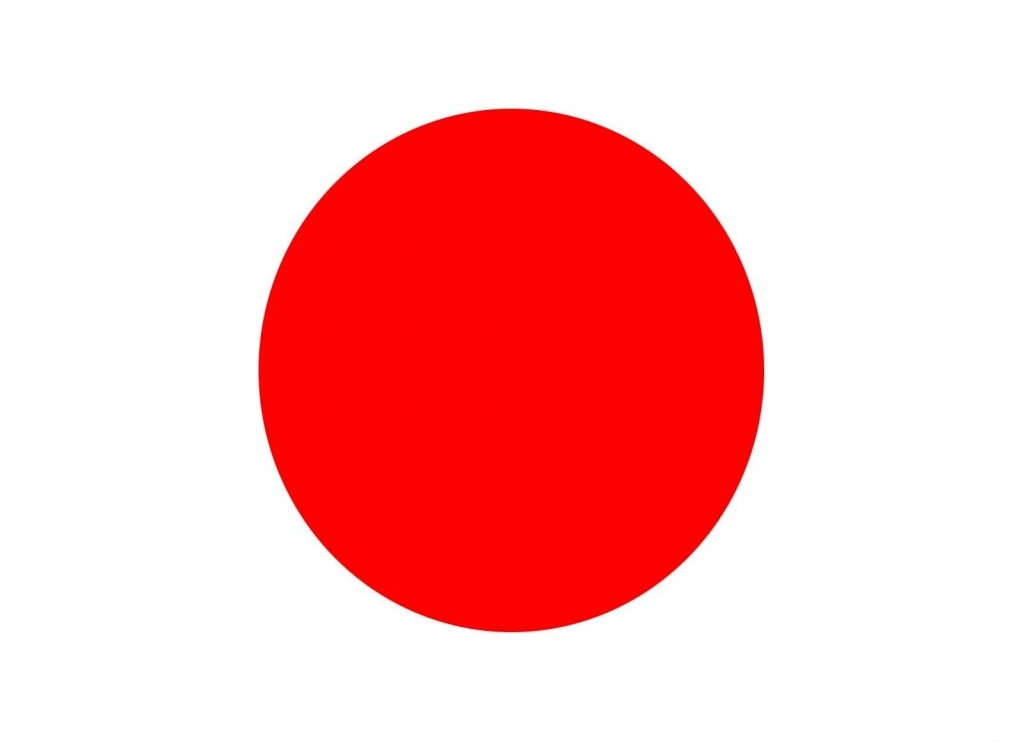
  According to Pew Research, "The Japanese flag, for example, includes a   hinomaru,   or   rising sun   – representative of   Shinto spiritual roots   within the former Japanese empire."

According to Pew Research, "The Japanese flag, for example, includes a hinomaru, or rising sun – representative of Shinto spiritual roots within the former Japanese empire."

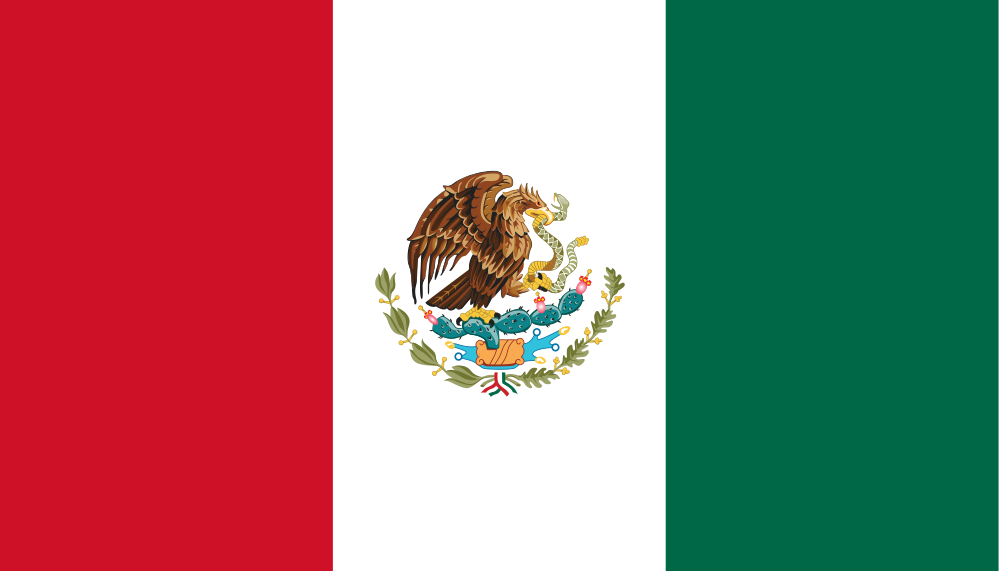
  The central emblem is the Aztec pictogram for Tenochtitlan, now Mexico City, the center of the Mexica (Aztec) empire. The eagle symbolizes the sun and is a representation of the victorious god Huitzilopochtli, who "bowed" to the Mexica an

The central emblem is the Aztec pictogram for Tenochtitlan, now Mexico City, the center of the Mexica (Aztec) empire. The eagle symbolizes the sun and is a representation of the victorious god Huitzilopochtli, who "bowed" to the Mexica and their power. The snake may represent the figure Quetzalcoatl, who was traced back to Teotihuacan and was the mythical establisher of state authority and power in Mesoamerica. The cactus (tenoch) is emblematic of Tenochtitlan and thus the entire symbology represents the divine establishment of the Mexica in their capital city, Tenochtitlan (lit., "the place of the cactus").

  The flag of Bhutan draws from the Durkpa Tibetan Buddhist tradition and features Druk, the Thunder Dragon.   Druk, it is believed, divinely approved the establishment of Bhutanese Buddhism with a clap of thunder. 

The flag of Bhutan draws from the Durkpa Tibetan Buddhist tradition and features Druk, the Thunder Dragon. Druk, it is believed, divinely approved the establishment of Bhutanese Buddhism with a clap of thunder. 

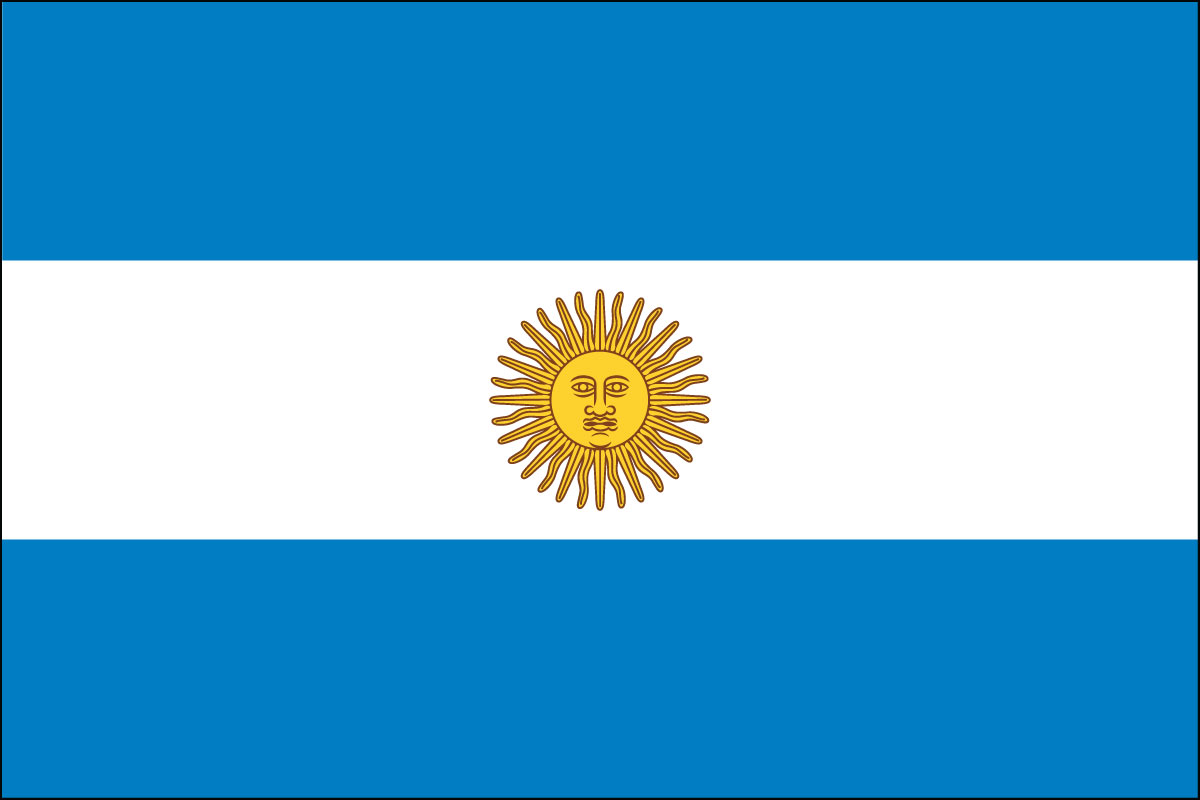
 While arguments have been made that the sun in the center of the flag is an example of the European motif of the "sun in splendor," Diego Abad de Santillán, and others, have argued that the "Sun of May" is a representation of the Incan deity Inti.&n

While arguments have been made that the sun in the center of the flag is an example of the European motif of the "sun in splendor," Diego Abad de Santillán, and others, have argued that the "Sun of May" is a representation of the Incan deity Inti. 

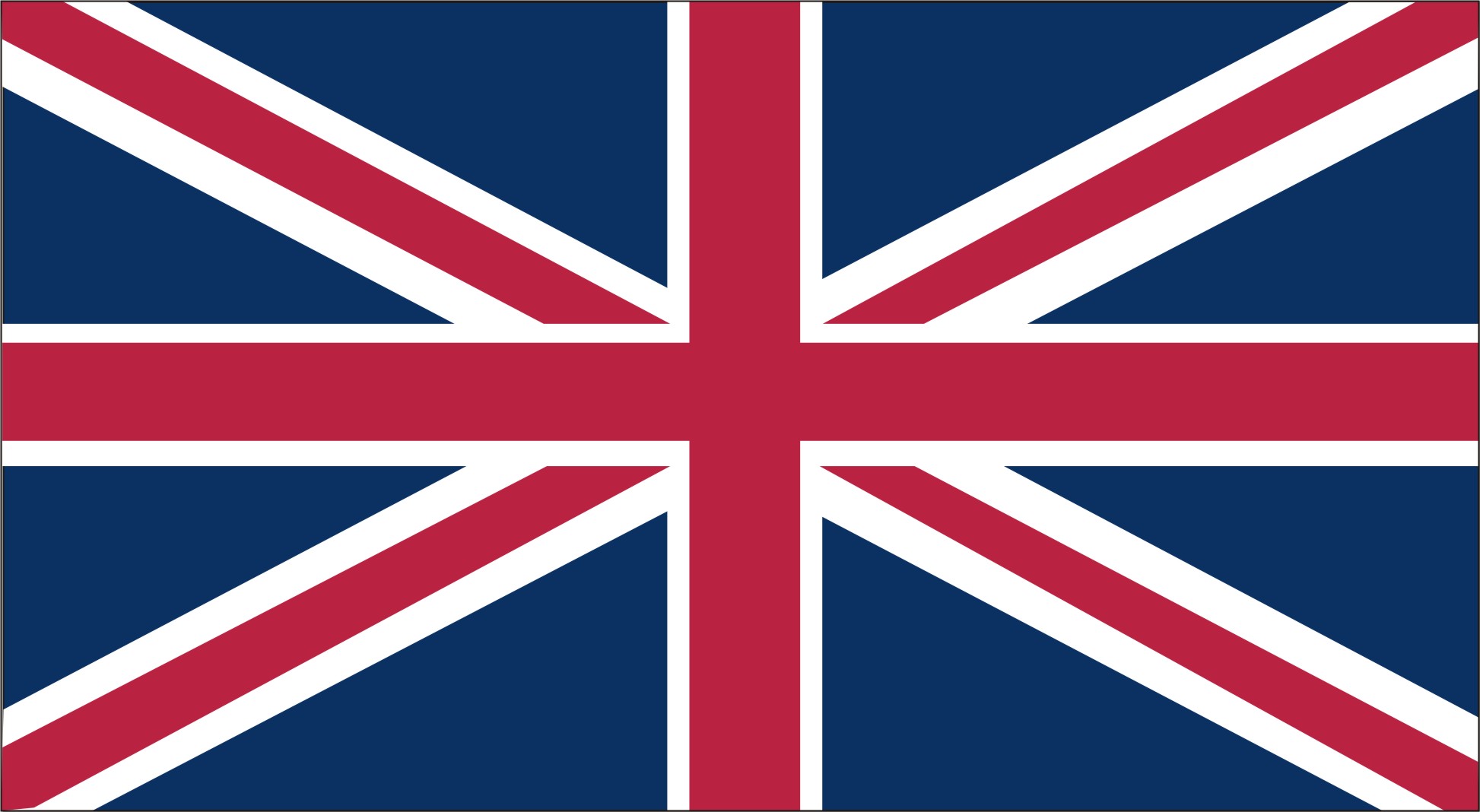
  The Union Jack   of Great Britain  , as well as its descendant flags throughout the commonwealth, "make reference to three Christian patron saints: the patron saint of England, represented by the red cross of Saint George, the patron

The Union Jack of Great Britain, as well as its descendant flags throughout the commonwealth, "make reference to three Christian patron saints: the patron saint of England, represented by the red cross of Saint George, the patron saint of Ireland, represented by the red saltire of Saint Patrick, and the patron saint of Scotland, represented by the saltire of Saint Andrew." (Wikipedia)

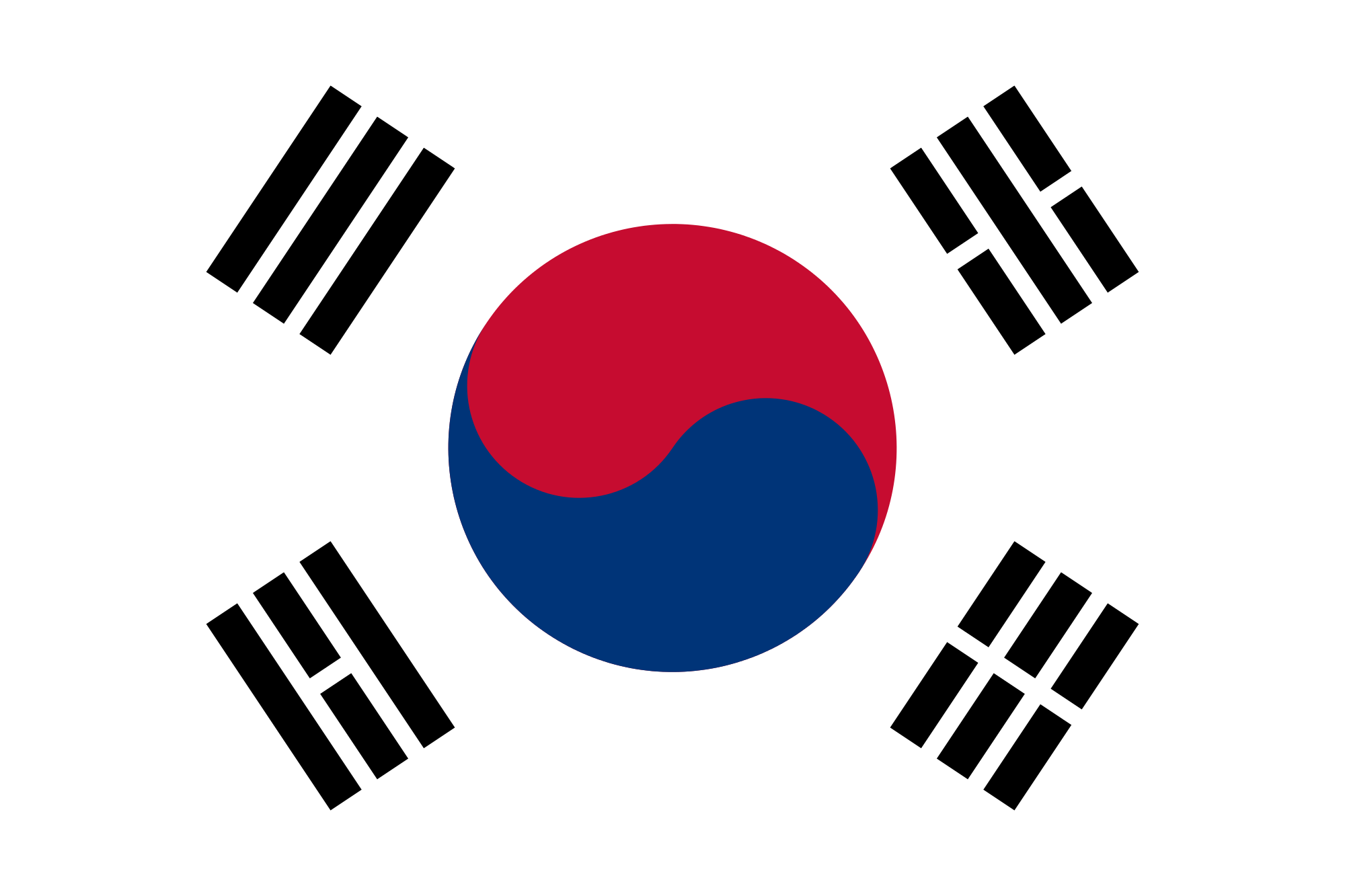
  Also called Taekkuk (referring to the Yin and Yang halves of the circle in the center of the flag) the Korean flag exudes balance and harmony.   The red and blue circle in the center is called 'Taeguk', the origin of all things in the universe. The

Also called Taekkuk (referring to the Yin and Yang halves of the circle in the center of the flag) the Korean flag exudes balance and harmony.

The red and blue circle in the center is called 'Taeguk', the origin of all things in the universe. The central thought is perfect harmony and balance: A continuous movement within the sphere of infinity, resulting in one unit. The blue part of 'Taeguk' is called 'Eum' or in Chinese, Yin, and represents all negative aspects of the balance while the red part is called 'Yang' and describes all the positive apects. The circle itself represents unity - bringing together the negative and the positive, while the Yin and Yang represent the duality. Examples of duality are heaven and hell, fire and water, life and death, good and evil, or night and day

The four trigrams at the corners (called 'Kwe' in Korean) also represent the concept of opposites and balance.

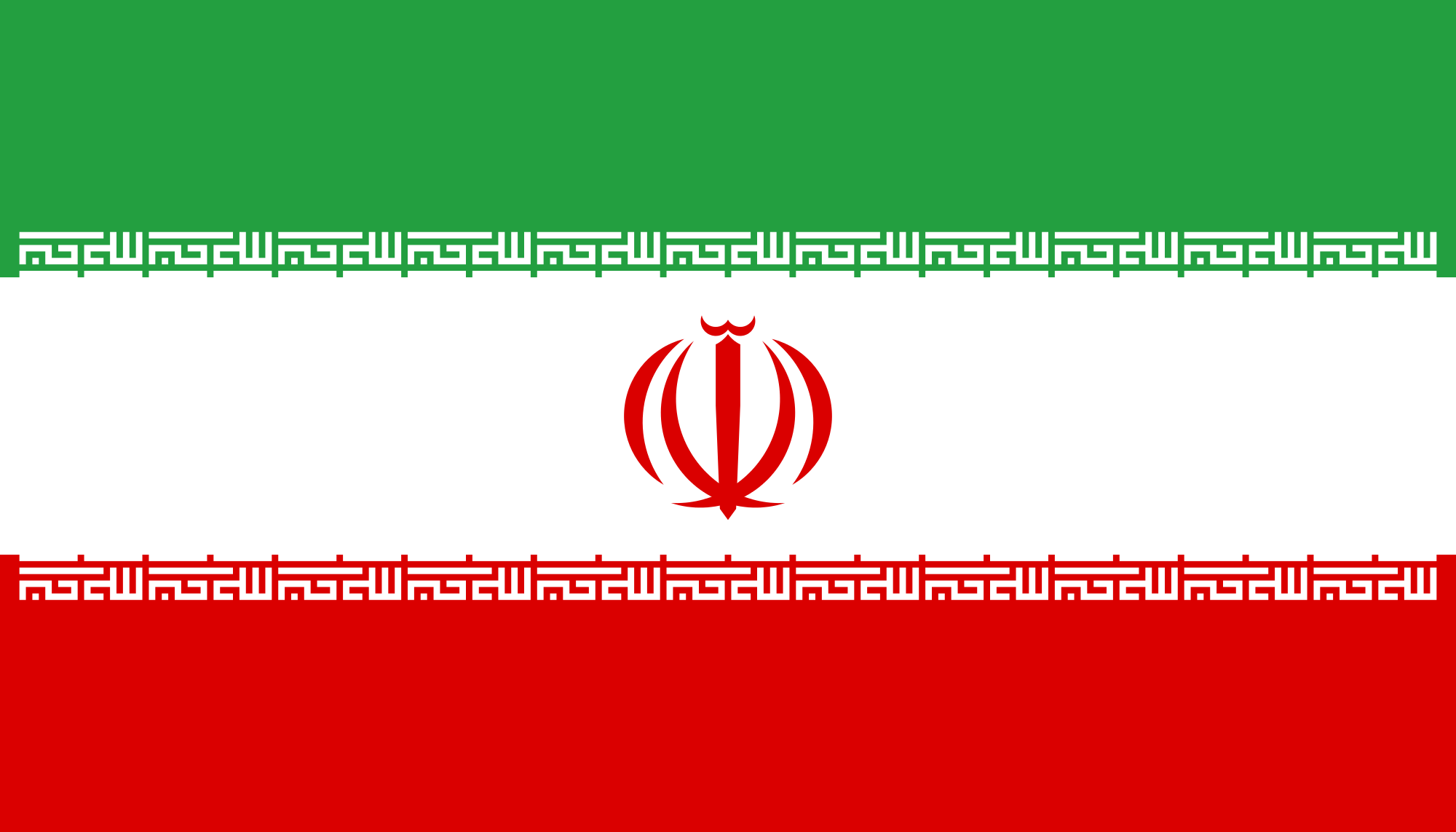
 Whereas Saudi Arabia's flag is explicit, the Iranian flag is more cryptic in its symbology. The central e mblem is a highly stylized composite of various Islamic   elements: a geometrically symmetric form of the word Allah   and overlappin

Whereas Saudi Arabia's flag is explicit, the Iranian flag is more cryptic in its symbology. The central emblem is a highly stylized composite of various Islamic elements: a geometrically symmetric form of the word Allah and overlapping parts of the phrase lā ʾilāha ʾillà l-Lāh, (There is no God Except Allah), forming a monogram in the form of a tulip it consists of four crescents and a line.

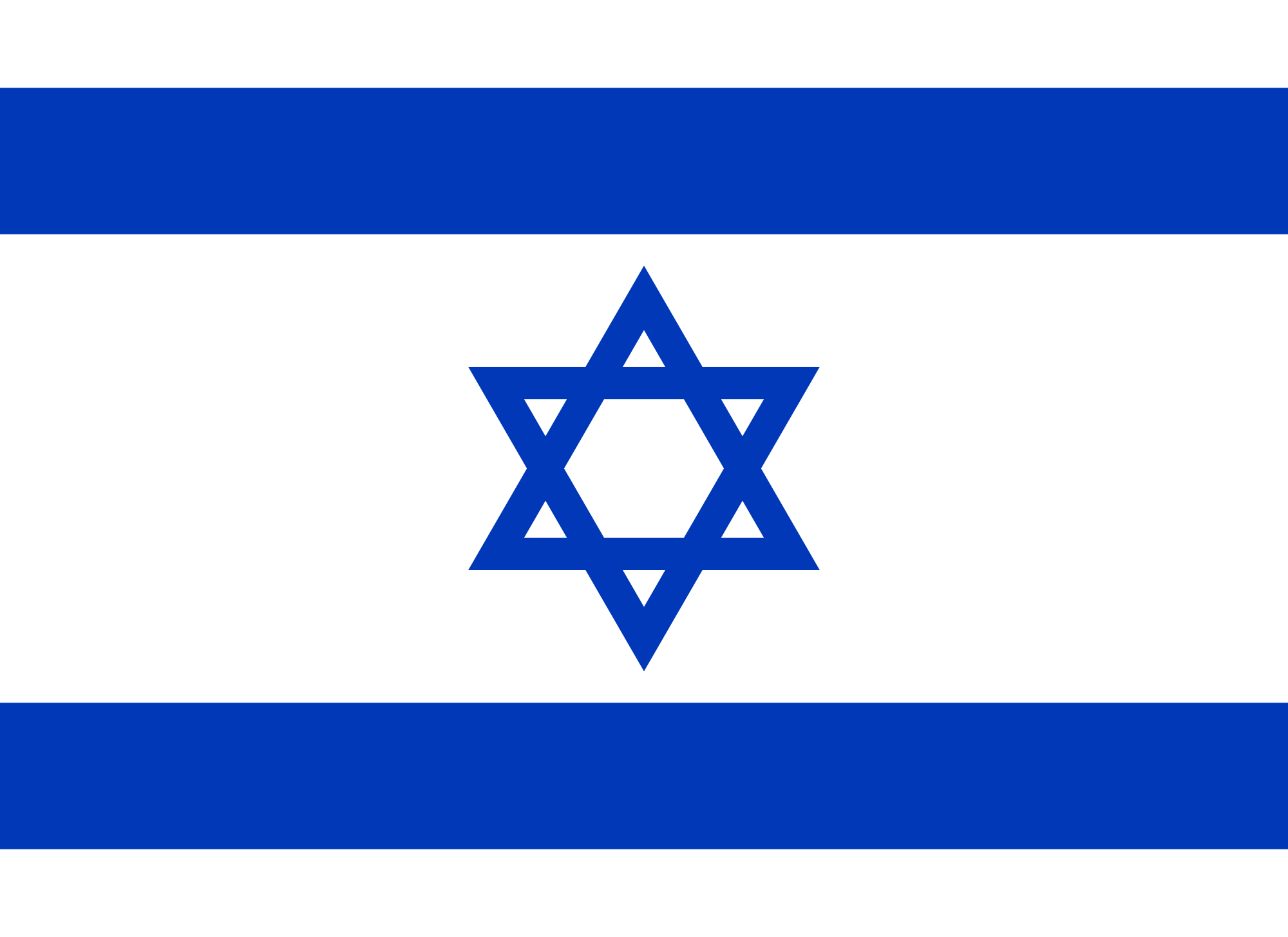
 This flag uses the most recognized symbol of Jewish identity and wider community -- the Star of David. Still, t he earliest Jewish usage of the symbol was inherited from medieval Arabic literature and Kabbalists who used the symbol   for t

This flag uses the most recognized symbol of Jewish identity and wider community -- the Star of David. Still, the earliest Jewish usage of the symbol was inherited from medieval Arabic literature and Kabbalists who used the symbol for talismanic properties in amulets (segulot) where it was known as the Seal of Solomon. 

 The central symbol in the Indian flag is the   Ashoka Chakra, itself  a depiction of the   dharmachakra  ; represented with 24 spokes. According to Wikipedia, "When   Buddha   achieved   nirvana   (Nibbana) at Gaya, he

The central symbol in the Indian flag is the Ashoka Chakra, itself a depiction of the dharmachakra; represented with 24 spokes. According to Wikipedia, "When Buddha achieved nirvana (Nibbana) at Gaya, he came to Sarnath on the outskirts of Varanasi. There he found his five disciples (panch vargiya Bhikshu) Ashwajeet, Mahanaam, Kaundinya, Bhadrak and Kashyap, who had earlier abandoned him. He preached his first sermon to them, thereby promulgating the Dharmachakra. This is the motif taken up by Ashoka and portrayed on top of his pillars."

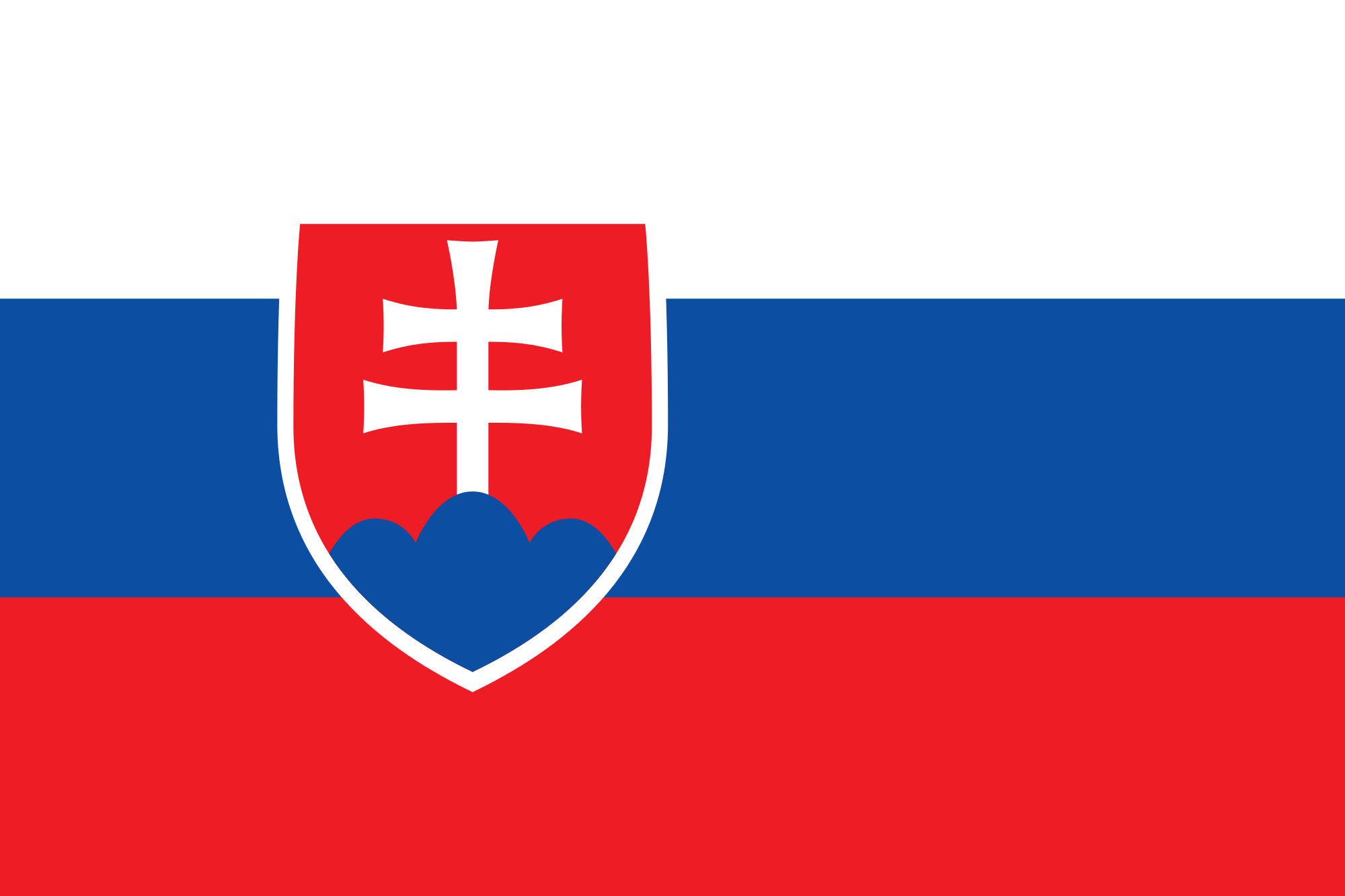
 According to the Slovak government, "The double silver cross  allegedly symbolizes the tradition of St. Benedict, St. Cyril and St. Methodius, but in reality this is a Christian symbol for older resurrection of Jesus Christ, which was used in B

According to the Slovak government, "The double silver cross allegedly symbolizes the tradition of St. Benedict, St. Cyril and St. Methodius, but in reality this is a Christian symbol for older resurrection of Jesus Christ, which was used in Byzantine Empire since the 9th century."

 The Arabic inscription on the flag, written in the calligraphic  Thuluth  script, is the  shahada  or  Islamic  declaration of faith:    لَا إِلٰهَ إِلَّا الله مُحَمَّدٌ رَسُولُ الله     lā ʾilāha ʾillā-llāh, muhammadun

The Arabic inscription on the flag, written in the calligraphic Thuluth script, is the shahada or Islamic declaration of faith:

لَا إِلٰهَ إِلَّا الله مُحَمَّدٌ رَسُولُ الله

lā ʾilāha ʾillā-llāh, muhammadun rasūlu-llāh

There is no god but God, Muhammad is the messenger of God.[1]


The shahada in the Saudi flag, with individual words highlighted in different colours. Word order shown by colour key at bottom. (Read from right to left)

The green of the flag represents Islam and the sword stands for the House of Saud. (Credit, Wikipedia)

  According to Pew Research, "The Japanese flag, for example, includes a   hinomaru,   or   rising sun   – representative of   Shinto spiritual roots   within the former Japanese empire."    The central emblem is the Aztec pictogram for Tenochtitlan, now Mexico City, the center of the Mexica (Aztec) empire. The eagle symbolizes the sun and is a representation of the victorious god Huitzilopochtli, who "bowed" to the Mexica an   The flag of Bhutan draws from the Durkpa Tibetan Buddhist tradition and features Druk, the Thunder Dragon.   Druk, it is believed, divinely approved the establishment of Bhutanese Buddhism with a clap of thunder.    While arguments have been made that the sun in the center of the flag is an example of the European motif of the "sun in splendor," Diego Abad de Santillán, and others, have argued that the "Sun of May" is a representation of the Incan deity Inti.&n   The Union Jack   of Great Britain  , as well as its descendant flags throughout the commonwealth, "make reference to three Christian patron saints: the patron saint of England, represented by the red cross of Saint George, the patron   Also called Taekkuk (referring to the Yin and Yang halves of the circle in the center of the flag) the Korean flag exudes balance and harmony.   The red and blue circle in the center is called 'Taeguk', the origin of all things in the universe. The  Whereas Saudi Arabia's flag is explicit, the Iranian flag is more cryptic in its symbology. The central e mblem is a highly stylized composite of various Islamic   elements: a geometrically symmetric form of the word Allah   and overlappin  This flag uses the most recognized symbol of Jewish identity and wider community -- the Star of David. Still, t he earliest Jewish usage of the symbol was inherited from medieval Arabic literature and Kabbalists who used the symbol   for t  The central symbol in the Indian flag is the   Ashoka Chakra, itself  a depiction of the   dharmachakra  ; represented with 24 spokes. According to Wikipedia, "When   Buddha   achieved   nirvana   (Nibbana) at Gaya, he  According to the Slovak government, "The double silver cross  allegedly symbolizes the tradition of St. Benedict, St. Cyril and St. Methodius, but in reality this is a Christian symbol for older resurrection of Jesus Christ, which was used in B  The Arabic inscription on the flag, written in the calligraphic  Thuluth  script, is the  shahada  or  Islamic  declaration of faith:    لَا إِلٰهَ إِلَّا الله مُحَمَّدٌ رَسُولُ الله     lā ʾilāha ʾillā-llāh, muhammadun

Why 1/3 of Countries Have Religious Symbols on National Flags

January 28, 2015

Yes, you read that right. According to Pew Research, 64 nations around the world fly "national flags that include religious symbols."

Pew further clarified the flags according to the religions they represent:

“Of the 64 countries in this category, about half have Christian symbols (48%) and about a third include Islamic religious symbols (33%), with imagery on flags from the world’s two largest religious groups appearing across several regions.”
— Pew Research

And if the number of religious standards flapping in the wind is a surprise for you, that's nothing compared to national anthems which contain religious themes. Upwards of 126 different nations have explicitly religious titles, themes, lyrics, or metaphors embedded in their official state song. That's somewhere between 64-66% of nations (depending on your worldwide count, ranging from 189-196 sovereign countries).

So much for the separation of church and state. 

While different nations have different notions of the separation of church and state and others make no distinction nor erect any partition between the two, many (if not most) countries have some imperative to differentiate between the role, expression, or function of religion and state respectively. Still, this is a tricky issue seeing as religion continues to play a role, whether explicitly or implicitly, in the formation of many a nation-state -- not to mention "national identity." 

*For more on religion and culture, follow @kchitwood

Indeed, there are varying degrees of delineation between "church" and "state" depending on the legal parameters and constitutional mandates that speak to the appropriate relationship between religion and politics in each respective nation. While there may be laws governing the separation, there are varying degrees of distance wherein religion and state function as two independent bodies or wherein pluralism is tolerated, but there is still an official state religion (a la in the United Kingdom). In addition to being known as "separation of church and state," the idea is encapsulated by other concepts such as secularism, disestablishment, religious liberty, pluralism, or constitutional tolerance. Essentially, the idea of "separation of church and state" is fluid, and thus slippery, to comprehend and apply. 

Beyond this nebulous concept of "separation," why do so many countries appeal to religious symbology in elements for their national imagery and imaginary?

It seems to me that mixing religious symbols with state power is still, despite the augury of the prophets of secularization, a viable option for nation-states and institutions to offer a relative degree of control to their leadership in a world ever more chaotic because of economic, political, and social instability and time-space compression due to the forces of globalization. “The use of a simple symbol in a film, a book or an advertisement says far more than any wordy explanation ever could” wrote Adele Nozedar in The Element Encyclopedia of Secret Signs and Symbols, “Signs and symbols, our invention of them and understanding of them, transcend the barriers of written language and are the very heart of our existence as human beings.” Thus, symbols are powerful. And religious symbols even more so as it reaches beyond this temporal realm into eternity. Thus, if a nation or leader is looking for an anchor to unify and stabilize her people, religious symbols seem a robust option. 

Indeed, these religio-political symbols might be said to offer what David Morgan calls a “web of communication," giving the nation an almost iconic status. Morgan talks about the "sacred gaze," which denotes any way of seeing that invests its object—an image, a person, a time, a place—with spiritual significance. Using an interdisciplinary approach, Morgan investigates how viewers incorporate and attend to religious symbols and images and how that encounter furnishes a social, intellectual, and perceptual construction of reality. Essentially, Morgan argues that religious symbols -- be they Protestant, Catholic, or otherwise -- are not to be viewed in isolation. Rather, they must be seen within their social contexts, which includes more than theological ideas, but devotional attitudes and practices, everyday rituals, personal testimonies, and "the sacred space of the home." Building on this proposition, it would be fair to say that these symbols in the flags are powerful regulators of human passions and perspectives on others, especially in the context of nation-states.

Basically, these flag symbols not only solidify an independent group identity, but attempt to create a political or national identity that cuts across urban centers, rural villages, regions, or states. In countries where religious pluralism dominates, or there are significant religious minorities, this may mean that these flags cut across religious boundaries as well, in order to regulate not only institutional relationships but personal and familial ones as well. These religious symbols are able to do so, because they are attached to a symbol of massive power -- the national flag -- which produces a sense of awe, enormity, and transcendent grandeur that in turn provides a shared reference point for members of a community with similar, or in some cases dissimilar, world views. While religious minorities may contest the symbology, the symbol is able to -- because of cultural, social, economic, or religious context -- unite enough of the nation to provide a mainstay for shared civic character. 

Even countries without explicit religious symbol rely on the same potency of shared imagery. In the U.S., our flag may be bereft of religious images, but the waving Stars and Stripes resplendent in the wind has been known to evoke iconic ecstasies and rapturous emotions in the patriotic members of the U.S.'s civil religious. Has it not? While the U.S. flag doesn’t employ an explicitly religious symbol it is still imbued with attendant symbolical meaning and religious effect. 

According to Emile Durkheim’s definition, religion is a unified system of beliefs and practices which unite individuals in to one moral community. While Durkheim may certainly be critiqued, the sociality that religion provides cannot be denied. If the role of politics and state institutions is to establish its hegemony over a people and have the same people accept that state's authority as normative for their lives, both individual and communal, then religion, as a cultural phenomenon, becomes a primary tool wherein to establish said community and suffuse its compliance to state-craft with divine intimations. Religion is the soothsayer of the magic of state.

As such, a religious symbol in a flag is used to great effect as a sibyl of state authority. Hence, why so many nations around the world employ such images even today in what is supposed to be an every more globalized, pluralistic, and secularized modern world. 

*For more on religion and politics, you may want to read "Is Kim Jong-un a god? 'The Interview' and the Juche idea." 

*For more on religion and culture, follow @kchitwood

In Faith Goes Pop, Religion and Culture Tags Japan, Mexico, Argentina, Israel, Slovakia, Saudi Arabia, Iran, South Korea, Bhutan, The UK, Union Jack, Druk, Taekkuk, Religious symbology, Religious symbols on flags, Flags with religious symbols, Religio-Political identity, David Morgan, Webs of connection, Emile Durkheim, Religion and state, State craft, Nation-state
Comment
Latest Writing RSS

Fresh Tweets

Tweets by kchitwood

Latest Writing RSS

RELIGION | REPORTING | PUBLIC THEOLOGY