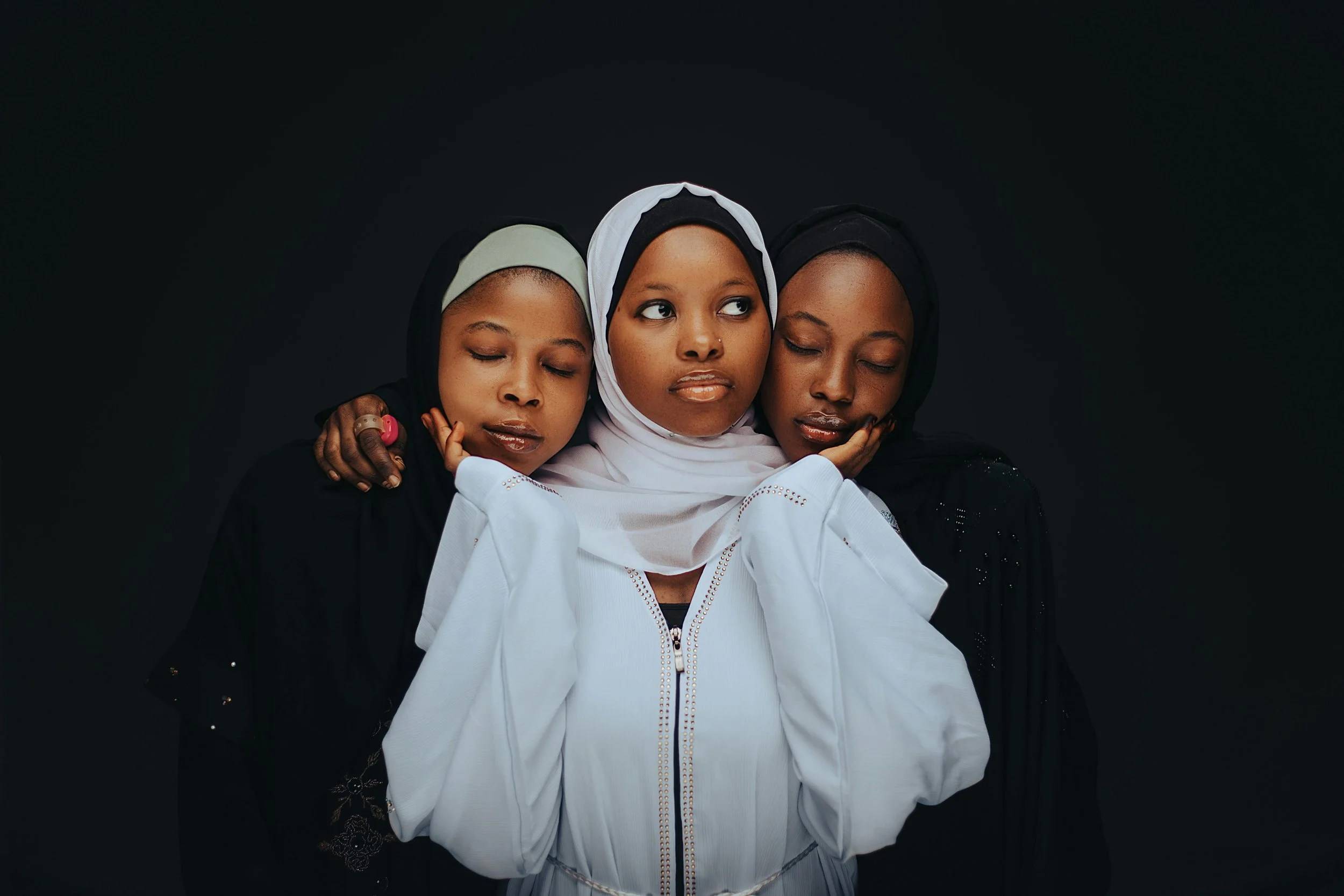
Black History Month is a reminder that the religious traditions of Black Americans are far broader, and more complex, than the stories we usually tell.
Too often, coverage zooms in on the Black church at election time or dusts off prominent civil rights-era imagery, then moves on. What can get missed are stories such as Black women shaping faith communities with or without titles or pulpits, Black Muslims and Buddhists building institutions and influence, younger generations remixing tradition online and African diasporic spiritual practices sustaining people outside formal institutions.
Just as underreported are the tensions — between generations, over gender and sexuality, between religious traditions, around money, power and politics. Black religion is not frozen in time. It is adaptive, contested and deeply embedded in the everyday experiences of a diverse range of Black Americans’ lives.
In a moment marked by racial violence and economic strain, Black religious life in the U.S. continues to shape how communities resist, heal and imagine what comes next. The task for religion reporters is not to mythologize Black religious traditions, but cover them with curiosity, range and urgency.
In the latest edition of ReligionLink, we offer background, experts, and relevant stories to help you better understand this diversity and dynamism.