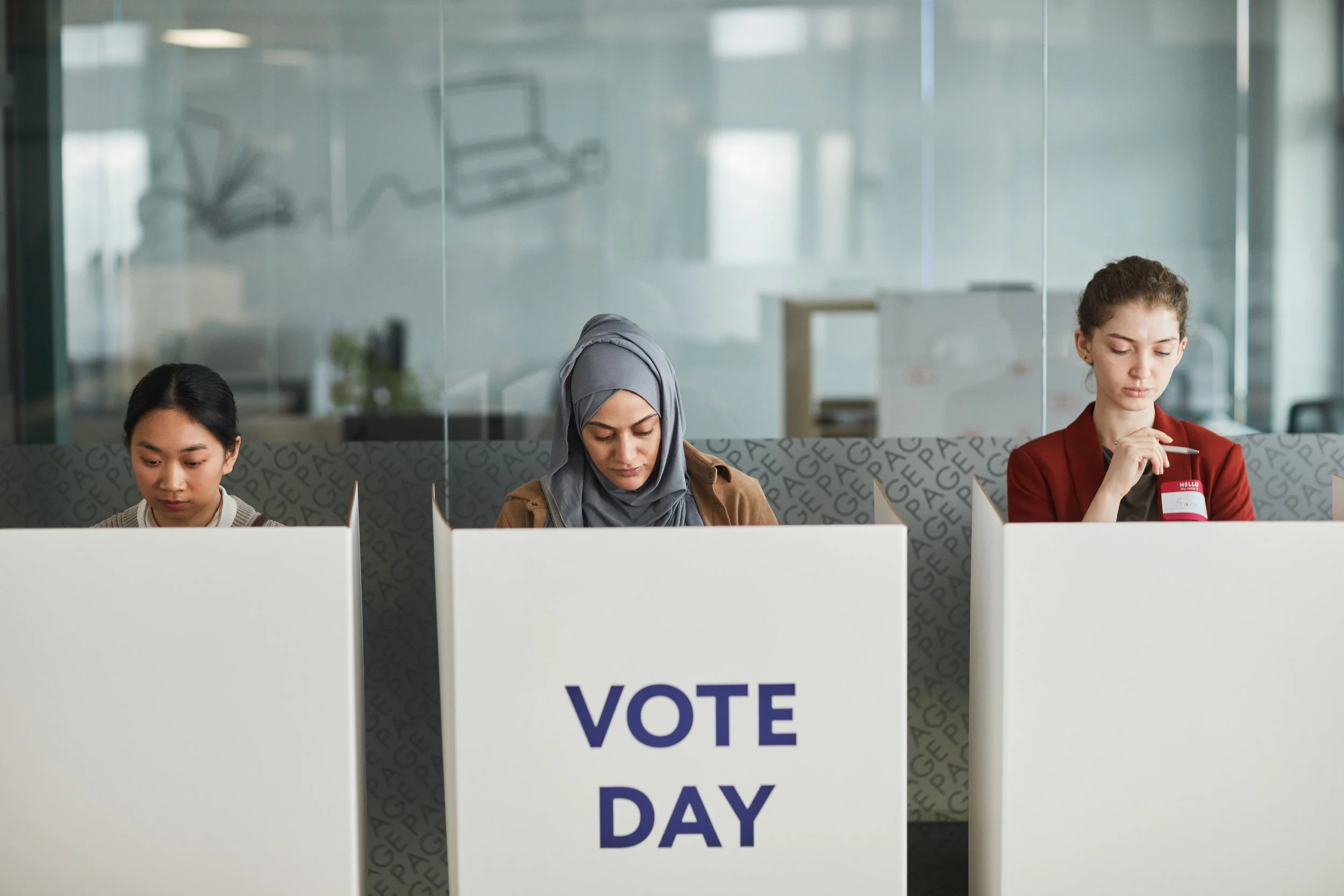
Elections can be moments when religion becomes particularly visible in American public life.
Candidates invoke God, pastors take to the campaign trail, congregations become organizing spaces and debates about religious freedom, morality and national notions of being and belonging can take center stage on stumps across the country.
But what happens now, after the votes are counted?
For students of religion, the aftermath of the 2026 midterm elections offers a particularly useful opportunity to look beyond campaign rhetoric and voting patterns. The results matter, of course. But elections are not simply referendums on religious identification and about faith firsts in particular public offices.
They are also moments that expose the complicated relationships between religion, government institutions, public policy and everyday life.
As a religion scholar and journalist, I recently put together a guide to five stories worth following in the months ahead. Together, I think they tell us something about how religion operates in the contemporary United States.