Over the summer of 2026, the United States marked its Semiquincentennial, with decidedly mixed results.
Part of those mixed results was the usual accounting of what "American" means — its founding documents, its civic myths, its contested borders and boundaries.
The plural and powerful kaleidoscope of religion was part of that appraisal, to no surprise for religion nerds.
But mostly, that story remains told as some cocktail of Puritan errand into the wilderness, Great Awakening revivalism, immigrant Catholicism and Judaism folding into a Protestant mainstream, with a pop of post-1965 pluralism that adds Islam, as well as Buddhist and Hindu traditions to the mix.
It is a standard story, sure. But it is also too limited a story.
Religion in America has always been religion in the Americas — and beyond — and it is past time our understanding of it caught up.
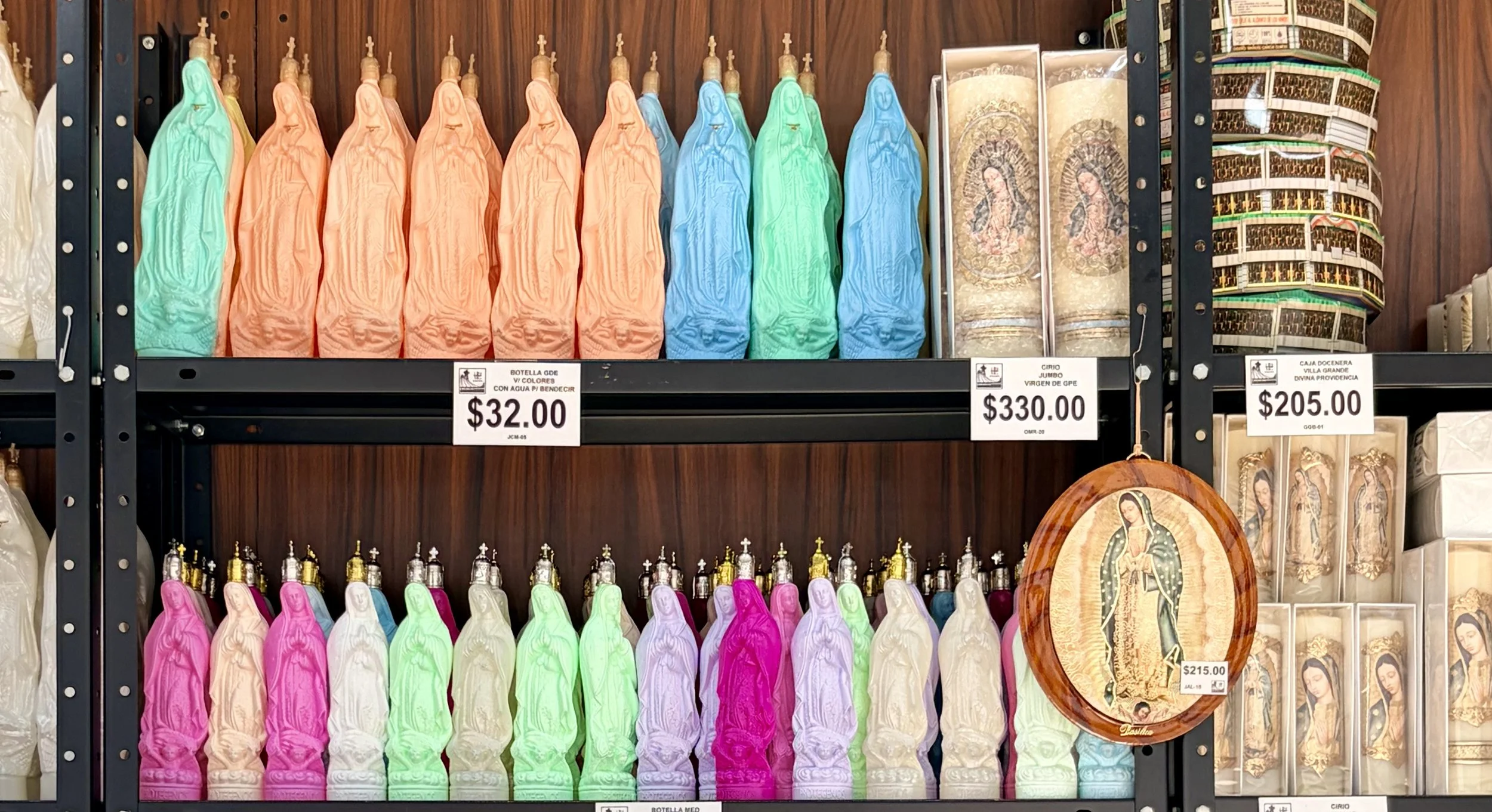
Over the last two months, I've been in Mexico working on a project about the global landscapes of religious lives, how no one continent or container can truly encompass the worldwide trajectories of faith, community and practice in the world today.
And as I walked the grounds of the Basilica of Our Lady of Guadalupe, spent time with Muslim missionaries in Chiapas and encountered numerous other examples of transnational devotion over the last weeks, I've returned again and again to how American religion is never, nor has it ever been, just "American" religion — but very much Américan.