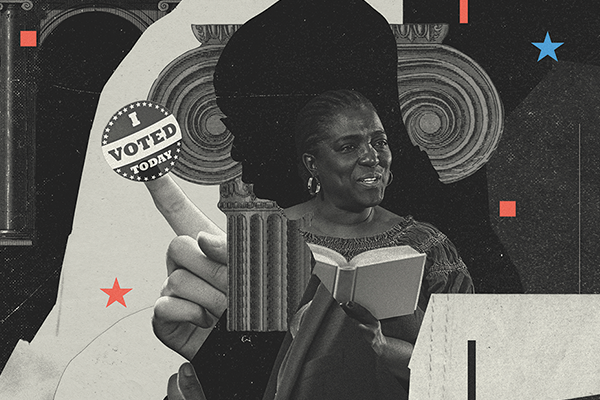
IF I LEARNED one thing from my decade-and-a-half in the pulpit, it’s that preaching ain’t easy.
In any given church service, a sea of faces stares back at you with a mix of expectation and distraction. Bulletins are folded, throats cleared, bodies settled. From the pulpit, you can see almost everything: The longtime member nodding off; the man checking scores on his phone; the family holding it together by a thread financially; the empty spot where a couple who hasn’t returned since the last election used to sit.
You know whatever you say will land in entirely different ways around the room. So you write and rewrite a sermon, softening one phrase and sharpening another, wondering who will hear a summons to justice and who will hear an accusation. Sometimes you feel the call to speak truth in love, even at the risk of losing the very people you shepherd. Other times, you hold back, knowing silence, too, has consequences.
In talking to pastors across the United States as this year’s midterm elections approached, I found few asking whether politics belongs in the pulpit; like it or not, politics is already there.
Instead pastors told me about their struggle to speak faithfully, clearly, and without further fracturing the communities they serve.